About us
Overview
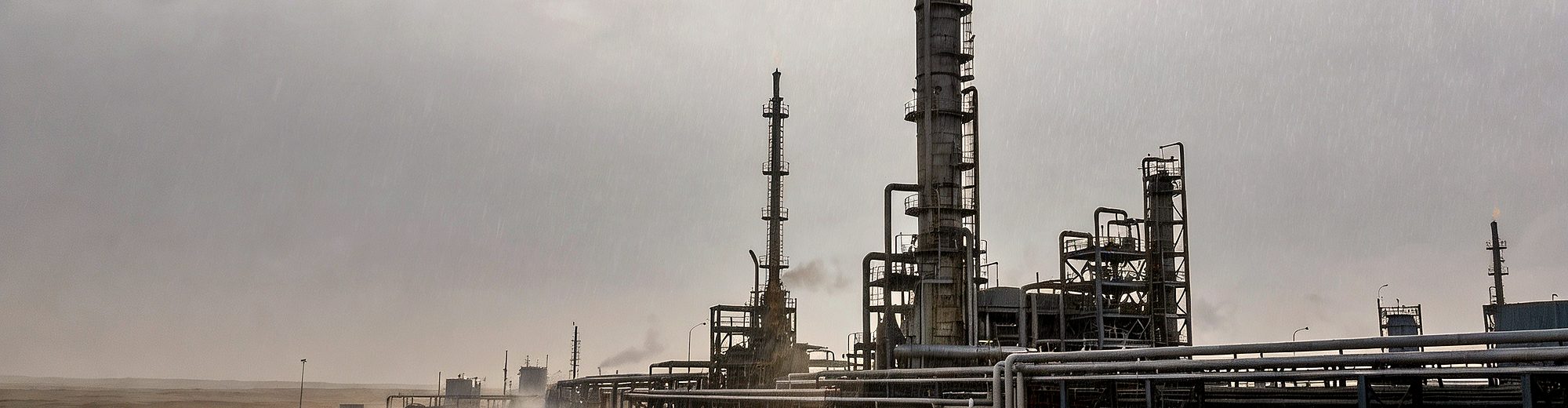
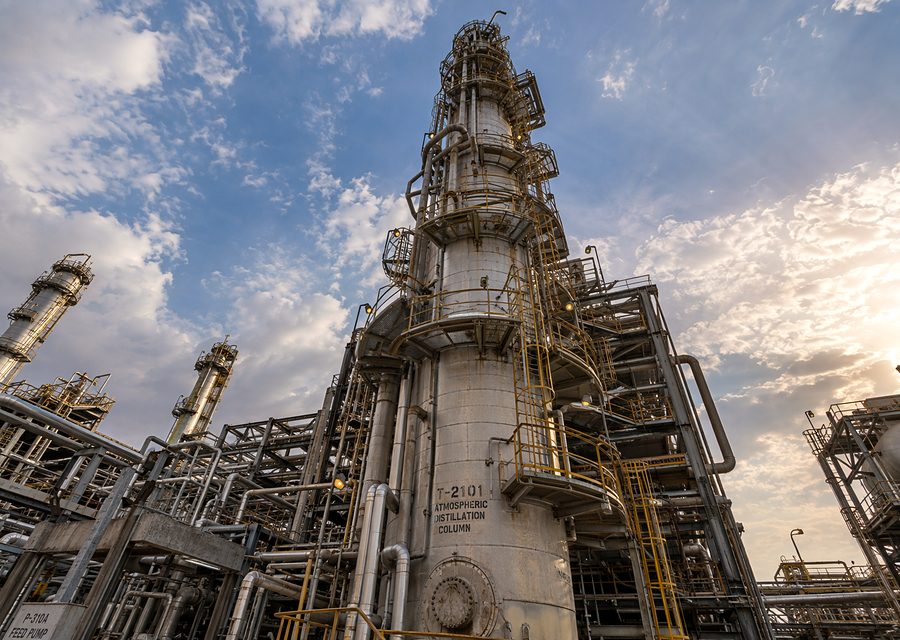
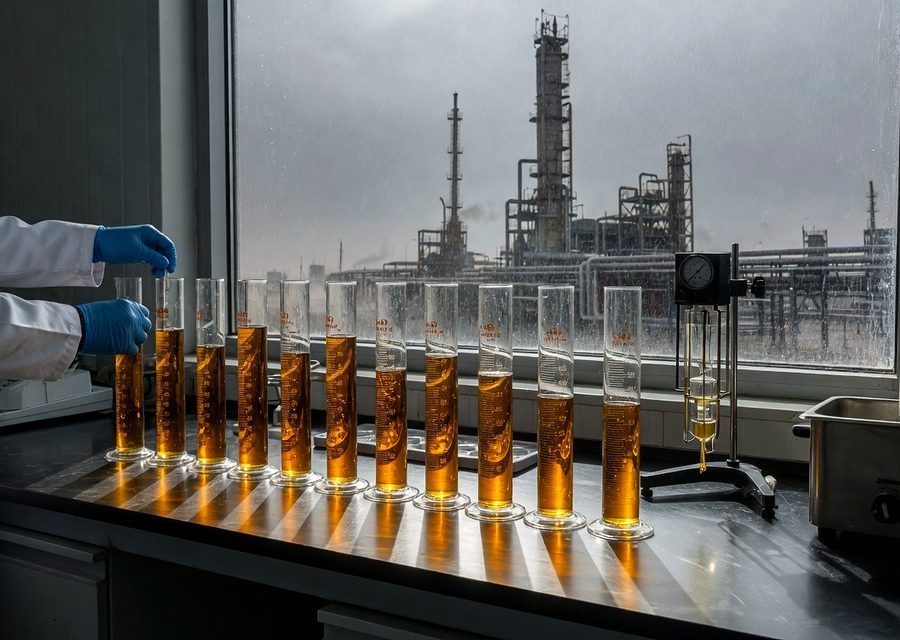
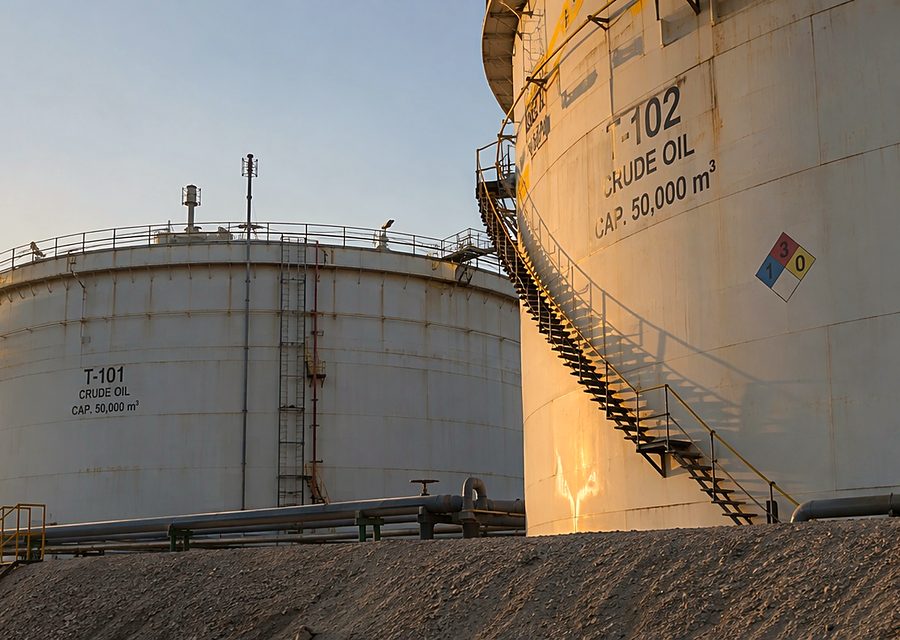
Hezarin Oil operates a lubricant plant in Erbil built around its own rectification column. Feedstock is received into a heated tank farm, cut into neutral base stocks on the column, blended with imported additive packages in four agitated vessels and filled on site. The plant is designed for 60,000 tonnes a year across engine oils, gear oils, hydraulics, greases and coolants, and every batch leaves with a test report that can be recalled by its number.
Why a column and not a drum
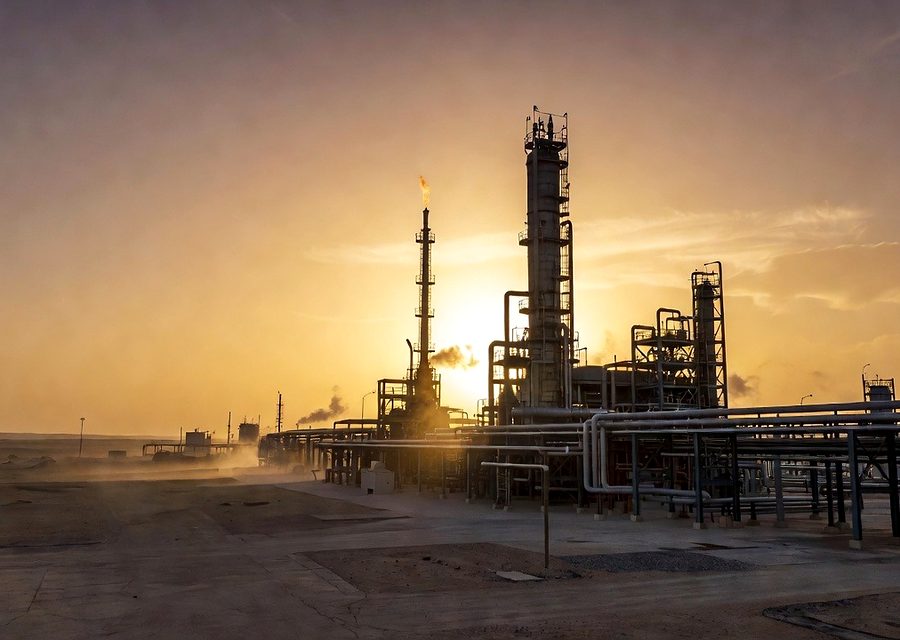
The straightforward way to enter this market is to buy finished lubricant in drums, decant it into branded canisters and print a specification on the label. It needs a warehouse and a filling machine, and nothing else. The difficulty arrives later: the blend belongs to somebody else, the specification cannot be verified, and when a customer reports a problem there is no formulation to go back to. Building around a rectification column costs more at the start and answers all three questions at once.
What is made here and what is not
Base oil is cut on site. Additive packages are bought from established European and Gulf suppliers, and so is the PAO that goes into the full synthetics. No plant of this size anywhere in the world formulates its own additive chemistry; claiming otherwise would be an easy sentence to write and an impossible one to defend in a laboratory. The line between the two is published because a distributor who checks it will find it accurate.
Safety and environment
Hydrocarbon storage and a fired heater on the same site make fire the governing risk, so the tank farm sits inside a bund sized for the largest tank plus rainfall, foam lines reach every tank roof, and hot work anywhere on the site runs on a permit. Used oil brought back by fleet customers is collected for licensed re-refining rather than sold on, and process water leaves through an oil separator.
Ask for a batch report before you buy a pallet.
Send a grade and a quantity and the reply comes back with the current test sheet, not a brochure.